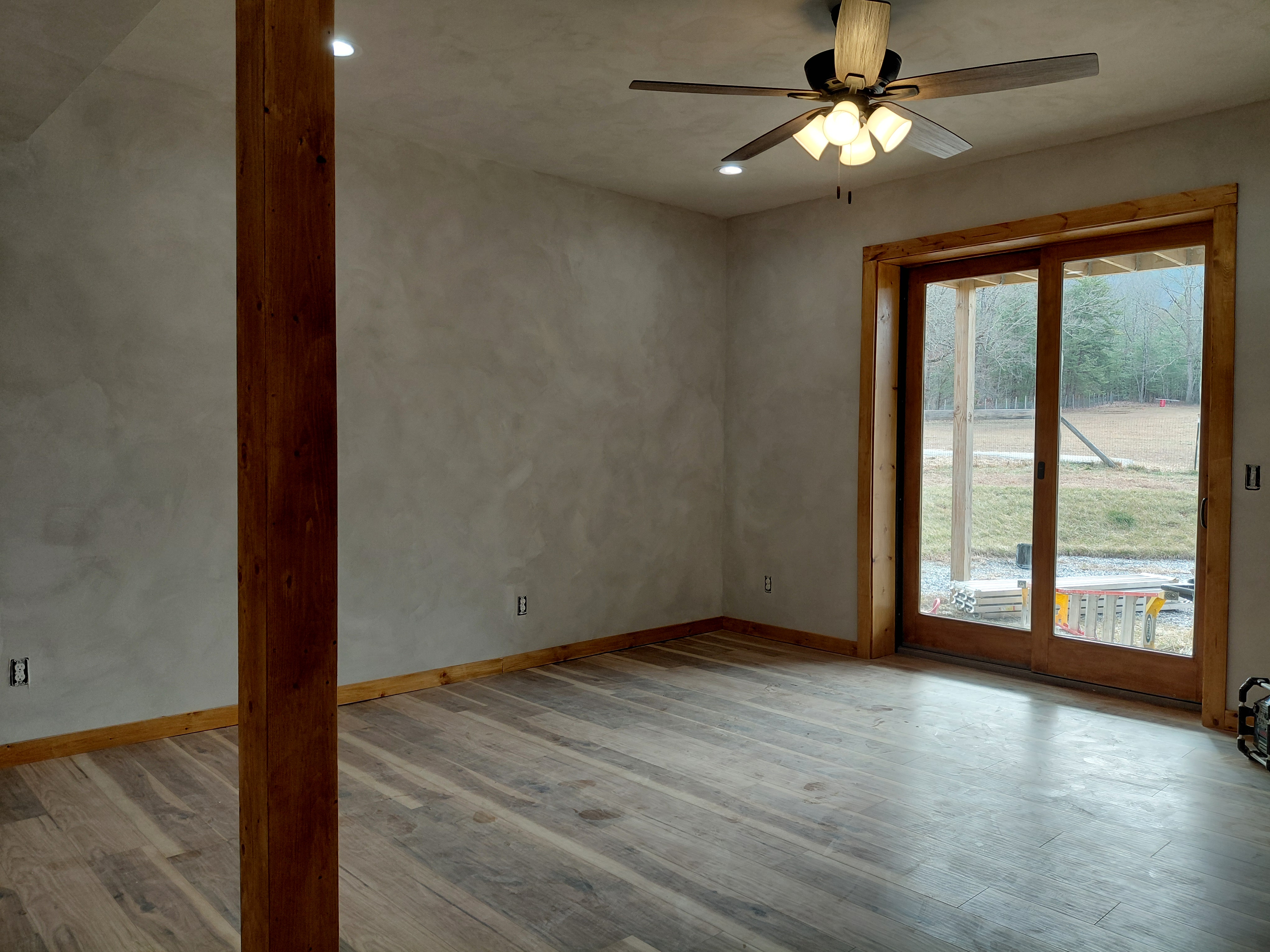
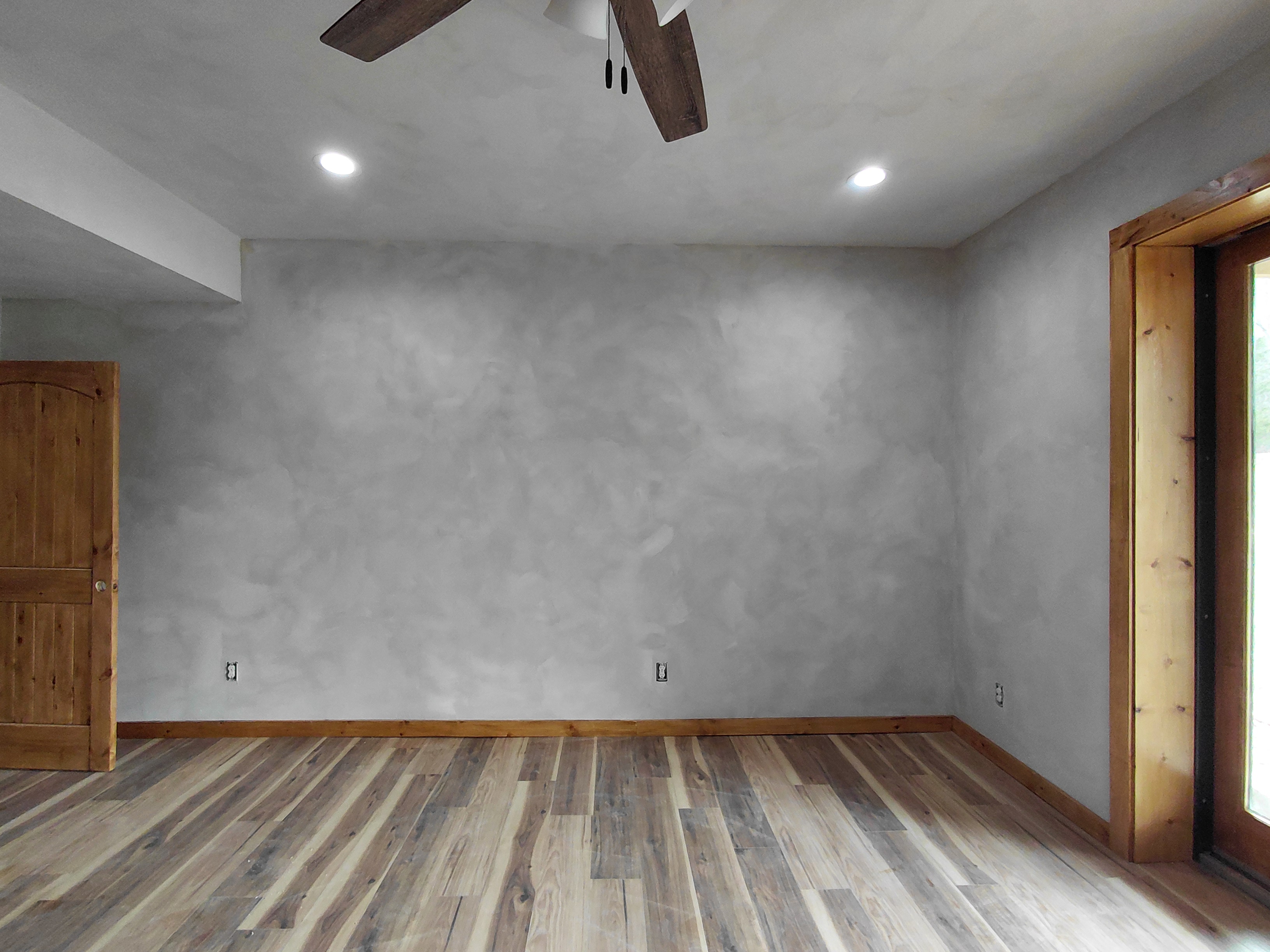
You've decided to add onto your home. Smart move — in East Tennessee, a well-executed room addition can add real value to your property while solving the space problem that's been nagging you. But before you sign a contract, you need to know what you're actually signing up for in terms of time.
The short answer: it depends on what you're building. The long answer is everything below.
Home Addition Timeline by Project Type
Here's what we're seeing in 2026 for realistic schedules on different addition types in the Greeneville, Kingsport, and Johnson City area. These assume a competent contractor with no major weather or supply disruptions.
| Addition Type | Typical Size | Permit Time | Total Timeline |
|---|---|---|---|
| Single room addition (bedroom, office, sunroom) | 200–400 sq ft | 2–4 weeks | 8–14 weeks |
| Master suite addition | 400–600 sq ft | 2–4 weeks | 12–20 weeks |
| In-law suite / apartment | 500–900 sq ft | 3–5 weeks | 16–26 weeks |
| Second-story addition | 600–1,200 sq ft | 3–6 weeks | 20–36 weeks |
| Garage conversion to living space | 400–800 sq ft | 2–4 weeks | 10–18 weeks |
| Multi-room bump-out (family room + kitchen) | 400–800 sq ft | 3–5 weeks | 14–24 weeks |
These are total project timelines — from the day we pull the first permit to the day you get your keys back. They're not the time to "start thinking about it."
Breaking Down the Phases
A home addition doesn't happen all at once. Here's the actual sequence of events for a typical East Tennessee room addition:
Design & Planning
2–6 weeks. Floor plan, elevations, structural engineering (required for any load-bearing wall work or second-story additions), material selections. If you're doing a second-story, structural engineering is non-negotiable in Tennessee.
Permit Submission & Approval
2–6 weeks in Greene County. Single-story additions on slab or pier-and-beam foundations typically move faster. Second-story additions require more structural review and can push toward the longer end. We submit all permits — you don't have to deal with the county offices.
Site Prep & Foundation
1–3 weeks. Clearing, grading, pouring slab or installing footings. Weather-dependent — this is the first place East Tennessee rain can throw a schedule off.
Framing & Rough-In
2–4 weeks for a typical room addition. This includes exterior walls, roof, window and door openings, and rough-in for electrical, plumbing, and HVAC if applicable.
Insulation, Drywall & Finishing
2–4 weeks. Insulation, tape and mud, primer, paint, trim, flooring, fixtures. This is where the space starts to look like a room.
Final Inspection & Punch List
1–2 weeks. County final inspection, punch list items, cleaning, owner walkthrough. We don't consider a project done until you've walked it and agreed it matches the plan.
Permitting in Greene County — What You Need to Know
Greene County requires a building permit for any addition that changes the structure, adds plumbing, or adds electrical. The permit fee is based on the declared value of the construction.
For a standard room addition in the $40,000–$80,000 range, permit fees typically run $400–$1,200. Your contractor should handle the submission — if they're not, that's a red flag.
Permits also require a final inspection. In Greene County, this means a county inspector will come out to verify the work matches the permit. If something was done differently than the permit shows (even if it looks fine), it can cause delays or require remediation. We make sure every detail matches before we call for the inspection.
If you're in an HOA or in a town with its own planning department (Kingsport and Johnson City have their own processes), add another 1–2 weeks for any HOA approvals or city-level review on top of the county permit.
5 Factors That Stretch Home Addition Timelines
1. Weather — the variable nobody can control
East Tennessee weather is genuinely unpredictable. A rainy spring can push foundation work back by weeks. We monitor forecasts closely and keep work on critical path when the weather window opens, but this isn't something you can rush. The best protection: build 2–3 weeks of buffer into your expected timeline for weather.
2. Material lead times — longer than 2023
Windows, trusses, engineered lumber, and specialty exterior finishes can have 4–10 week lead times depending on availability. We order long-lead items at contract signing, not when framing starts. Ask your contractor when they've ordered materials — if they haven't started ordering by week 2, watch out.
3. Second-story additions require more structural work
Adding a second story is not just double the space — it's double the complexity. The existing first-floor structure may need reinforcement to support the new load. That can mean sistering joists, adding beams, or even temporary shoring during construction. Budget extra time and money for structural engineering that you won't know about until the existing walls are opened up.
4. Unforeseen conditions in older homes
East Tennessee has a lot of homes built before 1980. When we open up walls or dig foundations, we sometimes find things — outdated wiring, rot in existing structure, code violations from a previous owner. We budget 10–15% contingency for these surprises in older homes. If a contractor quotes you at $0 contingency for an older home, that's not confidence — it's naivety.
5. Contractor availability in 2026
The East Tennessee construction market is still busy. Quality contractors with availability are often booked 6–10 weeks out. If you want a specific timeline, get your estimate signed early. Waiting three months to start conversations and then expecting to break ground in four weeks is not realistic in the current market.
How to Keep Your Addition on Schedule
- Make material selections early. Cabinets, tile, flooring, fixtures — we can't order what you haven't chosen. The faster you make selections, the faster we can order and receive them.
- Know what you want before you meet with a contractor. A vague scope ("I want something bigger") leads to a vague estimate and a change-order nightmare mid-project. Photos, dimensions, and a list of must-haves go a long way.
- Ask about the contractor's lead time before signing. Good contractors book out. Knowing that upfront saves frustration.
- Factor in weather buffer. Don't plan to be fully moved in by a specific date if your addition is starting in January or February. Tennessee winters aren't brutal, but they can cause delays.
What's the Right Addition for Your Situation?
If you're trying to decide between a room addition and a second-story build, here's a quick comparison:
Ground-floor room addition is usually faster, less disruptive to daily life, and works well for single-level homes or homeowners who want to age in place. Downside: it uses yard space you may want to keep.
Second-story addition preserves your yard but requires more structural work and is significantly more disruptive during construction — you'll hear it, you'll feel it, and some days the dust will migrate. It's also more expensive per square foot due to the structural requirements.
For most East Tennessee homeowners with a sloped or medium-sized lot, a ground-floor bump-out is the more practical choice. We can walk you through what works best for your property and your goals during a free consultation.
The real answer to "how long does a home addition take?" is: longer than you expect, shorter than you fear — if you pick the right contractor and make decisions early. We've done room additions in Greene County that went from contract to key in 10 weeks, and we've done second-story additions that took 9 months. Every project is different. The variables that matter most: scope clarity upfront, permit timing, and weather windows.
Ready to talk about your project? We offer free consultations and written estimates for home additions across East Tennessee — Greeneville, Kingsport, Johnson City, and the surrounding counties.